

wELLNESS RESOURCES
The Importance of Vaccinations
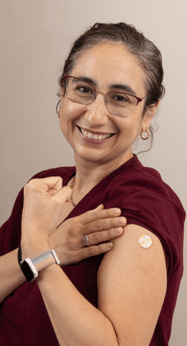
Vaccinations are one of the safest and most effective tools we have to prevent disease and protect community health. Here are some key facts and tips to keep in mind.
Did You Know?
- Vaccinations save lives: The World Health Organization estimates that vaccines prevent 4 to 5 million deaths worldwide each year.
- They train your immune system: Vaccinations teach your body to recognize and fight germs—without causing the illness itself.
- Community protection: When enough people are vaccinated, it helps protect those who can’t receive certain vaccinations, such as newborns or people with weakened immune systems.
- Thoroughly tested: Every vaccination goes through years of clinical trials and continuous monitoring for safety and effectiveness.
Tips for Staying Protected
- Stay up to date with recommended vaccinations for your age and health needs—check with your healthcare provider regularly.
- Get annual vaccinations like the flu shot and any updated COVID-19 boosters.
- Keep records of your vaccinations to make future appointments easier.
- Encourage family and friends to get vaccinated—protection works best when communities are covered.
 November 2025 -The Health You Breathe: Why Indoor Air Quality Matters
When we think about health, most of us picture diet, exercise and sleep. But there’s one factor that quietly affects our well-being every day – the air we breathe inside our homes. According to the Environmental Protection Agency, indoor air can actually be more polluted than outdoor air. Everyday things like scented candles, cleaning supplies, new furniture and even cooking release tiny particles and chemicals that can irritate our lungs. Dust, mold, and pet hair also build up over time, creating an invisible layer of stress for our bodies.
Poor indoor air quality has been linked to headaches, fatigue, allergies, asthma attacks and even trouble focusing. It’s easy to miss because the symptoms are subtle and can feel like part of life. The good news is small changes can make a big difference.
1. Ventilation
Open your windows when possible, even just for a few minutes a day.
2. Houseplants
Some plants can help filter the air while brightening your space.
3. Air filters
A portable HEPA filter or upgraded HVAC filter can reduce dust and allergens.
4. Mindful choices
Opt for fragrance-free cleaners and be cautious with sprays and candles.
We may not be able to control the air outside, but inside our homes, we have more power than we realize. Taking a few steps to improve indoor air quality is like giving your body a breath of fresh health.
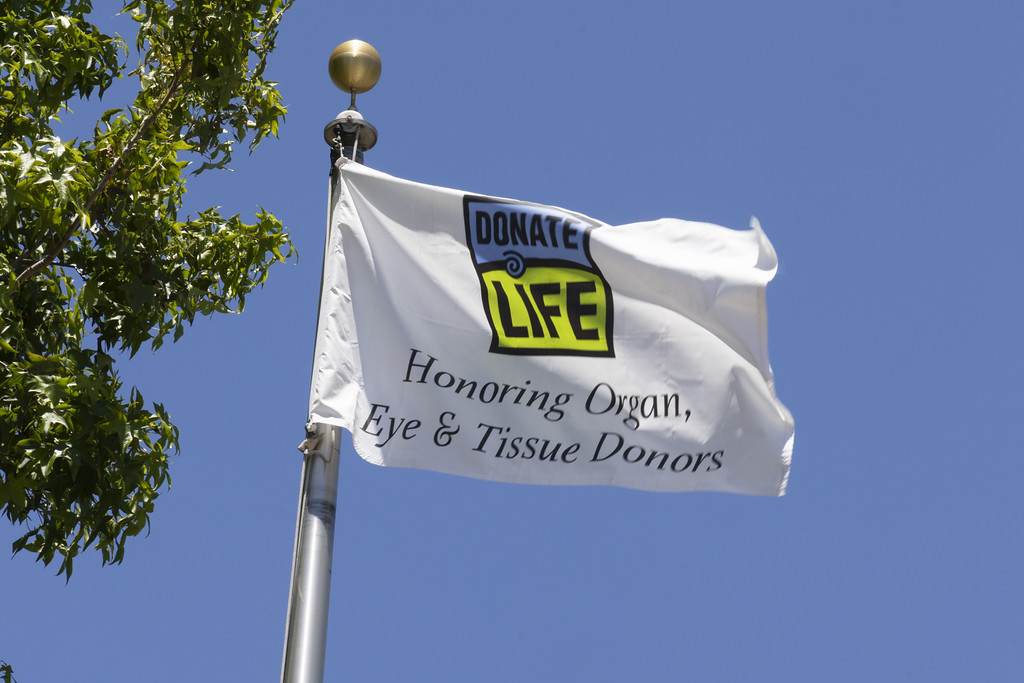 October 2025 - Understanding Organ Donation and Its Impact
Organ donation is a vital part of modern healthcare—and for thousands of people, it’s the difference between life and death. In the U.S., over 100,000 people are currently waiting for an organ transplant. The need is real, and it far exceeds the number of available donors.
Here are some key facts about organ donation:
- A single organ donor can save up to 8 lives and improve the lives of dozens more through tissue and cornea donation.
- Most organ donations come from deceased donors, but living donation (such as a kidney or part of a liver) is also possible in certain cases.
- Donation eligibility is broader than many people think—age, medical history, and background often don’t prevent you from being a donor.
- You can register your decision through your state’s registry, your driver’s license, or a health app. Even more importantly, it helps to talk with your family about your wishes.
“Growing up in a small town in the Midwest 40 years ago, the first person I personally knew who had an organ donation was my high school principal. He was the principal in a small farm town for 14 years before he retired. He was married and raised his children and his grandson after the death of his daughter. Organ donation changed his life and allowed him to care for his family and also to care for the students in the community. Organ donation made a lasting impact in their lives.”
- Jessica Schloemer, BSN, RN, CCRN, Staff Nurse II at Salinas Valley Health
To learn more about organ donation and how you can get involved, visit Donor Network West: Organ Donation in California and Nevada.
.png) September 2025 - Coffee: Daily Delight or Health Hazard? Here’s What
the Science Says
September 2025 - Coffee: Daily Delight or Health Hazard? Here’s What
the Science Says
For many of us, coffee is more than a beverage—it’s part our routine and our comfort. Yet behind every cup, there’s a question that lingers: Is coffee actually good for us? Good news for coffee lovers: when consumed in moderation, coffee has been associated with a variety of health benefits, many of which are supported by reputable studies and institutions.
1. Boosts brain function and mental alertness
Caffeine, the primary active ingredient in coffee, acts as a stimulant by blocking adenosine (a neurotransmitter that makes you feel tired). This leads to increased energy, mood, reaction time, and cognitive performance. A meta-analysis found that caffeine significantly improves attention, alertness, and reaction time in the short term.
2. May support heart health (in moderation)
Contrary to past beliefs, moderate coffee intake (about 2–4 cups per day) has been linked to a lower risk of heart disease and stroke. A large study from the UK Biobank, published in the European Journal of Preventive Cardiology (2022), found that moderate coffee drinkers had a 10–15% lower risk of cardiovascular disease and arrhythmia compared to non-drinkers.
3. Rich in antioxidants
Coffee is one of the largest sources of antioxidants in the average American diet. These compounds help protect cells from damage caused by inflammation and oxidative stress. According to a study in the Journal of Agricultural and Food Chemistry, coffee provides more antioxidant activity than both fruits and vegetables in the average American diet.
4. May Lower Risk of Chronic Diseases
Regular coffee consumption has been linked to a reduced risk of several major health conditions:
- Type 2 diabetes: A Harvard meta-analysis reported each extra daily cup lowers diabetes risk by ~6%.
- Alzheimer’s and Parkinson’s Diseases: Long-term coffee consumption is linked to reduced risk of neurodegenerative diseases.
- Liver health and cancer: Coffee drinkers have lower rates of liver fibrosis, cirrhosis, and liver cancer.
When consumed responsibly, coffee isn’t just a pick-me-up—it’s a plant-based powerhouse of antioxidants and potential disease protection. Science supports the idea that moderate daily coffee can contribute positively to your health.
Upcoming Events:
 August 2025 - The Impact of Ultra-Processed Foods on Health
The World Health Organization has noted a global shift toward diets high in UPFs (ultra-processed foods). In some countries like the United States, over 60% of adult calorie intake comes from UPFs.
UPFs are industrial formulations typically made with additives, preservatives, emulsifiers and little to no whole foods. Common examples include sugary beverages, packaged snacks, instant noodles and meat products. Health risks associated with UPFs are: obesity, type 2 diabetes, cardiovascular disease, cancer (particularly colorectal), cognitive decline and depression.
What You Can Do:
“While some ultra-processed foods are hard to avoid, it's important to consider both the quantity and quality in your diet. Not all UPFs are created equal—fortified whole-grain bread, plain yogurt, whole-grain cereals, and plant-based milks can offer valuable nutrition and convenience,”, says Jennifer Nader, MPH, RD, Clinical Nutrition Manager at Salinas Valley Health. “In contrast, products like soda, chips, ice cream, and chicken nuggets are loaded with additives that make them hard to stop eating and offer little nutritional benefit. Small amounts of these foods occasionally can still fit into a healthy diet, but to best support your health, aim to focus on mostly unprocessed or minimally processed foods.”
Upcoming Events:
 July 2025 - Protecting Your Skin from the Sun
According to the Skin Cancer Foundation, 1 in 5 Americans will develop skin cancer by the age of 70. Skin cancer is highly preventable when precautions are taken. As summer is here, we provide a few helpful ways keep your skin protected, as well as some information about melanoma (the most aggressive kind of skin cancer) from our very own Aimee Paik, MD.
1. Wear your sunscreen
- Choose a sunscreen with SPF 30 or higher.
- Make sure it’s broad-spectrum (protects against both UVA and UVB rays).
- Reapply every 2 hours, or more often if sweating or swimming.
- Be sure to wear sunscreen even when it is foggy or overcast as the sun can still burn your skin.
2. Seek shade during peak hours
- The sun is strongest between 10:00am and 4:00pm.
- Stay in the shade or indoors during these hours when possible.
3. Check medication side effects
- Some medications (like certain antibiotics, acne treatments, or antihistamines) can increase sun sensitivity. Check labels or ask your doctor/pharmacist.
4. Hydrate your skin and body
- Sun exposure can dehydrate you. Drink water often and use moisturizer after sun exposure to soothe and protect your skin.
All of these tips can help protect your skin especially from certain skin cancers like melanoma. “I think it’s best to strike a balance. It is really important to protect your skin. Use sunscreen. Keep an eye on your moles. But, try not to have such immense fear about developing melanoma. There are so many benefits to being outside and being active in the sun. There are a lot of benefits such as mental and physical benefits. I just tell my patients to protect your skin, and try to be smart,” says Aimee Paik, MD, dermatologist at Salinas Valley Health Dermatology.
Upcoming Events:
 June 2025 - What to Expect When You’re Expecting – Tips on
How to Prepare for Labor and Delivery
June 2025 - What to Expect When You’re Expecting – Tips on
How to Prepare for Labor and Delivery
Whether you’ve already had children or you’re a first-time mom, preparing for labor and delivery is essential for the best experience possible. From practical and physical prep like what to pack in your bag, to informed prep like touring your maternity center, below are a few important considerations.
1. Practice Mindfulness and Stress Reduction
Reducing stress as much as much as you can during pregnancy is key to staying healthy. Practice prenatal yoga and guided meditation when possible. We offer yoga and mindfulness meditation classes free to our community. If signing up for our yoga classes, be sure to let the instructor know how far along you are in your pregnancy for a more tailored session.
2. Create a birth plan (and stay flexible)
Before going in to deliver your baby, be sure that you have a written birth plan. Things to consider in this plan include who you want to be in the room, preferred breathing techniques for pain management and immediate postpartum wishes such as skin-to-skin and breastfeeding. Having these plans laid out is great, yet remember to stay flexible as plans can change in the moment.
3. Tour Your Maternity Center
Once you’ve chosen the medical center in which you will give birth, it is important to take a tour to familiarize yourself with it. Come with a set of questions that you can ask on the tour. If you’ve chosen to have your baby at the Salinas Valley Health Medical Center, our team is happy to guide you through our maternity center.
4. Pack essentials in your labor and delivery bag
When packing your labor and delivery bag, you may feel like you need to bring a hundred things, but that’s not the case. Only bring items that are going to be of most importance to you and baby. These include:
- Photo ID, insurance, birth plan
- Onesies, mitts, diapers, wipes, baby pajamas
- If breastfeeding, bring your preferred pump
- Witch hazel pads, sanitary pads, other toiletries
- Phone charger
5. Know your resources
Having a baby can be stressful, but there are many resources available that can help ease your mind. To see a comprehensive list of resources that are available to you, visit our Perinatal Resources for New Families webpage. For more information on our maternity services, click here.
Upcoming Events:
- Legal Issues for Life Planning - Is a Will Enough?
- Salinas Valley Health Farmers' Market
- Walk With A Doc - Nutrition: Food is Medicine
 May 2025 - How to Maintain a Healthy Work-Life Balance
According to an article by the Huffington Post, we will spend roughly 13 years of our lives at work. Spending a considerable amount of hours per day at our jobs can lead to fatigue, restlessness and burnout. If you are not unwinding from work often, this can lead to high levels of stress causing things such as sleep disturbances in the short-term and cardiovascular issues in the long-term. Find a few helpful tips below to maintaining a healthy work-life balance. You can also read about things that Amanda Meyer, Health Promotion Manager at Salinas Valley Health, does to unwind from work.
1. Break up with your email (for a few hours)
If you and your email are attached at the hip, it’s time for a change. We often find ourselves making a habit out of checking our inbox. This often leads us to feel guilt and anxiety when too much time has passed without looking. Make it a point to only check emails during work hours if possible.
2. Create a schedule
Some days work can be unpredictable and longer days may be inevitable. However, it is beneficial to set a daily schedule that you can stick to more often than not. Set your start and end time to ensure you are not overworking yourself. Remember that work will always be there and unless there’s a deadline, you can work on it tomorrow.
3. Make some time for YOU
What if you put a fraction of the same energy you give at work to improving your well-being? Include something that you enjoy doing for yourself at least once a day. That could be cooking with your partner, going for a run or spending an uninterrupted hour watching your favorite show.
“Creating a healthy work-life balance can be challenging at times,” says Amanda Meyer, Health Promotion Manager, “but creating a schedule and setting attainable boundaries has proven to be really helpful. During the day, I try to step away from my desk for a brief walk around the medical center campus. Fresh air and a brisk walk are always a great way to reenergize and reset. I enjoy spending time outdoors with my family, soaking in the sunshine or connecting with friends to decompress and unwind. Self-care is key to managing a work-life balance and sometimes that can be as simple as taking a 30-minute nap on a Saturday afternoon. I also encourage everyone to utilize one of the many mindfulness offerings through our Pathways to Wellness Program. There are a lot of great free classes and resources.”
Upcoming Events:
 April 2025 - Living with Diabetes
In 2022, the Community Health Needs Assessment found that diabetes was the most prevalent health issue reported in Monterey County. Whether you are living with Type 1 or Type 2 diabetes, it can be difficult to manage your condition. We are here to provide a few helpful tips on ways to maintain a healthy lifestyle when living with diabetes.
1. Informed diet
Keeping a healthy and balanced diet is crucial when managing your diabetes
and understanding the differences in diet recommendations depends on what
type you have. When you have type 1 diabetes, the goal is to carefully
managing insulin while reducing carbohydrate intake. People with type
2 diabetes, should reduce carbs while trying to improve insulin sensitivity.
This key difference in carbohydrate consumption can help you better understand
how to navigate your diet.
Did you know? Our Nutrition Services Team at the Salinas Valley Health
Medical Center works with patients to create customized meal plans based
on patients’ dietary and health needs.
2. Stay as active as possible
As noted, in coverage of other topics on this page, staying active is crucial in maintaining good overall health. Managing diabetes is another area where physical activity is a necessity. Be sure to dedicate at least 150 minutes a week to moving your body. Exercising can often times feel like a chore, especially when life is moving too fast. Join us for Zumba classes in Salinas or Gonzales to get fit while having fun.
3. Manage your stress levels
Much like staying active, stress is another thing that must be controlled in order to stay healthy, especially when living with diabetes. When you are stressed, your body goes into fight or flight mode. It will then release hormones like adrenaline and cortisol which could lead to increased blood glucose levels if the body cannot process it well. Not only does stress affect your mental well-being but as someone with diabetes, it could also have detrimental effects to the body. If you’re looking for ways to control stress, visit SalinasValleyHealth.com/mindfulness to see what classes and programs are offered.
4. Understanding the third type of diabetes – gestational diabetes
According to diabetes.org, gestational diabetes occurs in 9% of pregnancies in the U.S. each year. Gestational diabetes is diabetes that develops during pregnancy and is limited to pregnancy. To understand more about gestational diabetes, its effects on a baby and how it is preventable, see our Ask the Experts Presentation in collaboration with Stanford Medicine Children’s Health in both English and Spanish.
5. Know that you’re not alone
With any disease, one can feel isolated. Living with any type of diabetes is also knowing that many people around you live with it too and are feeling many of the same things you do. Find a community of people who understand you and can offer support.
A great place to find this is at our Diabetes: From Eyes to Exercise and Food to Foot Care class. For more information, visit SalinasValleyHealth.com/pathways.
Upcoming Events

March 2025 - Sleep and its Importance to Health
Sleep is an essential part of our everyday lives. It is our way of resetting after many hours of being awake. It can have a variety of effects on our bodies. Below you will find information provided by Michael Zupancic, MD, of Salinas Valley Health Sleep Medicine, regarding sleep and its impact on our health.
- Adults require 7 hours of sleep, teenagers require 9 and people over the age of 65 often require less sleep, about 6 ½ hours.
- In children, physical growth occurs during sleep as the growth hormone is released during slow-wave sleep.
- Acute sleep deprivation can negatively impact mood, memory and overall well-being. Severe acute sleep deprivation can cause dysfunction of the prefrontal cortex that can contribute to hallucinations and impair attention/coordination.
- Obstructive sleep apnea (OSA) is a common and underdiagnosed condition that occurs more frequently with age. Symptoms of OSA include snoring, gasping/choking/apneic events during sleep, disrupted sleep, morning headaches and daytime fatigue/lack of energy/tiredness.
- People with untreated moderate or severe obstructive sleep apnea have an elevated risk of developing hypertension and stroke.
- The best way for person to improve insomnia is to keep the same wake-up time 7 days a week and spend no more than 8 hours in bed per 24 hours. For difficulty sleeping, Dr. Zupancic recommends a relaxing activity such as listening to music or reading a book and then returning to bed when feeling sleepy.
For more information about Salinas Valley Health Sleep Medicine, visit SalinasValleyHealth.com/sleepmedicine and to see more about Dr. Zupancic, visit Michael J. Zupancic MD | Salinas Valley Health.
Upcoming Events
- Sleep Matters Presentation in Collaboration with the Salinas Public Library
- Marina Farmers' Market Community Health Day
For all our events, visit our
events and classes webpage.
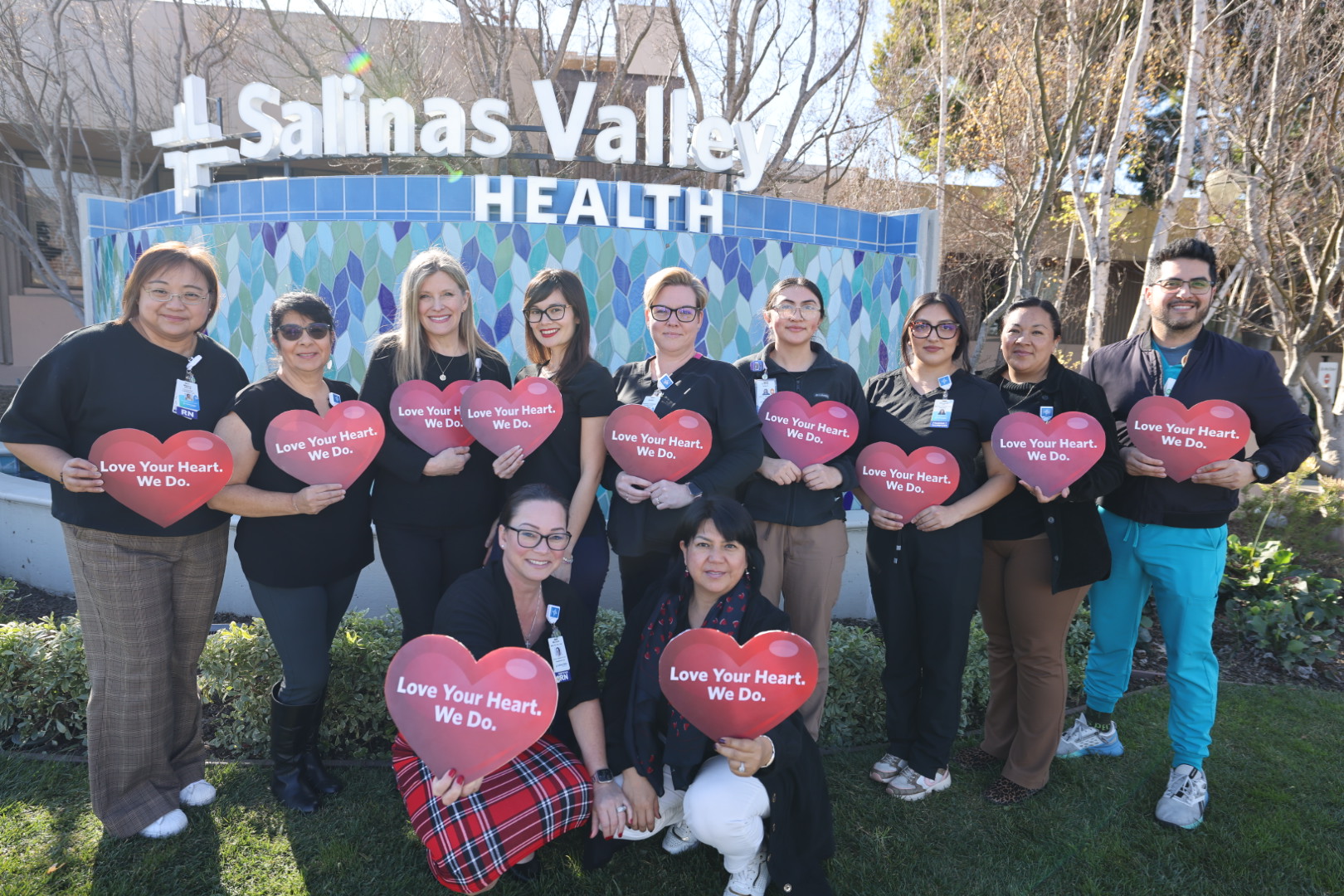
February 2025 - Heart Healthy Tips
1. Fill your plate with heart-healthy food
The food you eat has a direct impact on your heart. Fill your plate with foods high in antioxidants, fiber and proteins to ensure you’re giving your heart the fuel it needs. To find heart-healthy recipes you can start making today, visit our Healthy Cooking page.
2. Take a walk
According to the American Heart Association, walking twenty minutes a day can lower your chance of developing heart disease by thirty percent. Get on track to a healthier you and get that heart pumping! To join our monthly Walk With A Doc events where you can hear about a variety of health topics from our Salinas Valley Health providers while walking with other community members, visit our Walk With A Doc page.
3. Know the difference between a heart attack and a stroke
Understanding whether someone is having a heart attack or a stroke can save a life. See the difference between the symptoms by visiting our Stroke Center page.
4. When in doubt, visit your local cardiologist
Going to see the doctor can be scary, especially for heart-related concerns. Don’t let your fears stop you. To schedule an appointment with one of our cardiologists, visit our Find a Provider page.
5. Stay informed
Learning how to maintain a healthy heart can be challenging. For easy-to-understand information pertaining to the heart, visit our Ask The Experts Podcast page.
Upcoming Events
- Ask the Experts Presentation
- Zumba classes in Salinas and Gonzales
- Look Good Feel Better - Beauty techniques for female cancer patients.
For all our events, visit our events and classes webpage.
 January 2025 - Tips for Starting the New Year Right
1. Start a list of goals
How can you know what you want to accomplish in the New Year without having a clear set of goals? Whether it’s on a notepad, whiteboard on your wall or on your phone, be sure to write out your goals. Make sure to follow the SMART Goal method, making sure your goals are Specific, Measurable, Achievable, Relevant and Time-Bound.
2. Create an exercise regimen that works for you
Many people include exercising more as one of their New Year’s resolutions. The key to finding and maintaining a good workout regimen is to set realistic expectations and find what works for you. For some that may be lifting weights five days a week for at least 50 minutes, for others it could be taking a 30-minute walk every other day.
To see the exercise and wellness classes that we offer through our Pathways to Wellness Program, visit SalinasValleyHealth.com/pathwaystowellness.
3. Schedule your annual physical
One way to start the year strong is to schedule your annual physical. To find a provider to schedule your exam with visit Find a Doctor | Salinas Valley Health.
4. Start a new hobby
According to a study conducted by Nature Medicine in 2023, compared with people who didn't have hobbies, those who did reported better health, more happiness, fewer symptoms of depression, and higher life satisfaction. Find something that you enjoy and can use a de-stressor this year. To see additional information about how hobbies can improve health and other aspects of your life, visit Health Benefits of Hobbies. To find something local, visit Blue Zones Project | Get Involved.
5. Don't stress!
It is no secret that stress is not good your overall well-being. While it cannot be completely eliminated, try to leave overstressing in 2024 and practice ways to limit the amount of stress you feel on a daily basis. For ideas on how to reduce stress, visit 13 Unusual Ways to Shed Stress (Lessons from the World’s Blue Zones) - Blue Zones.